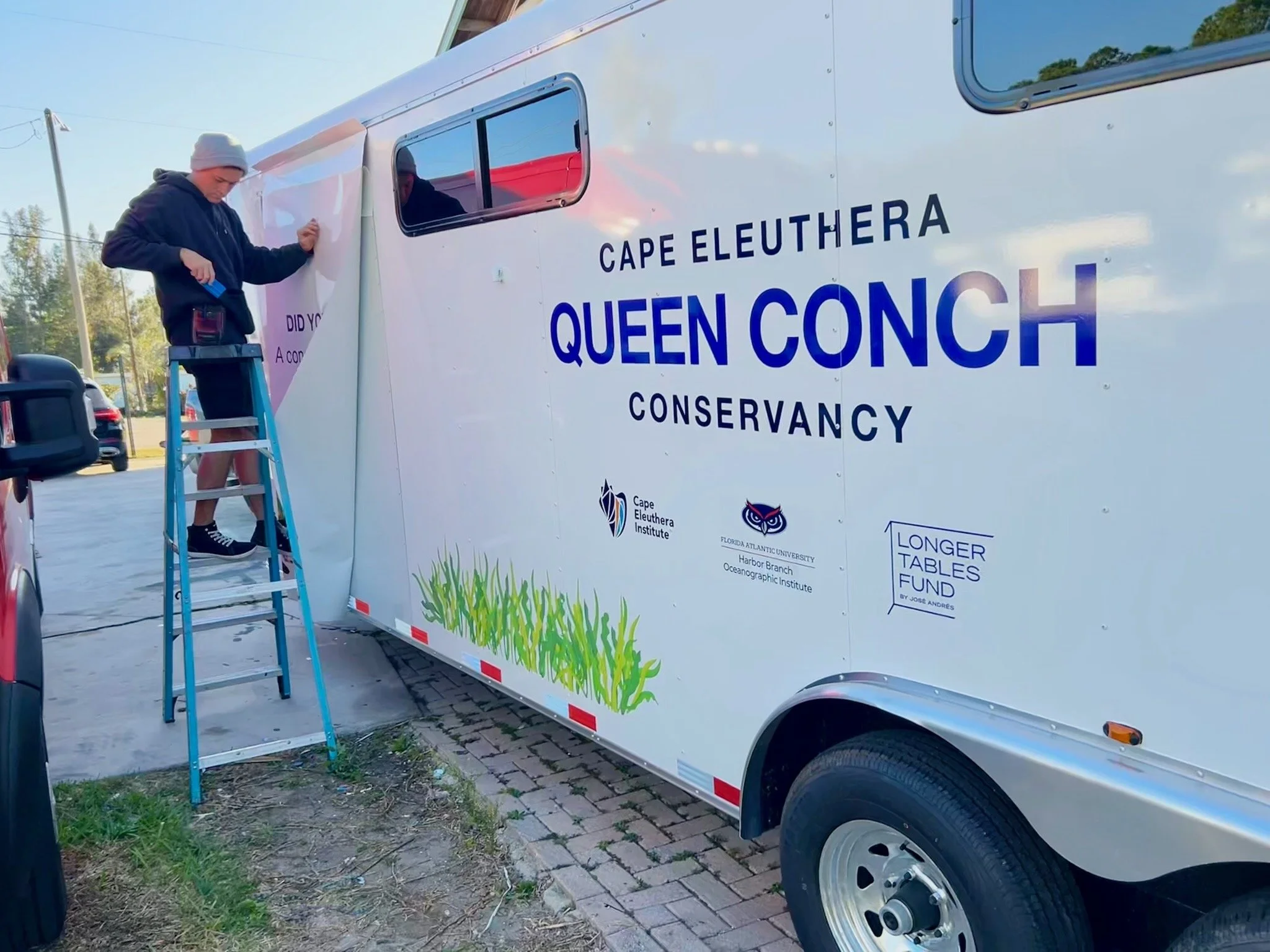
Cape Eleuthera Queen Conch Conservancy
A Community-Based Aquaculture Restoration Project
Who’s at the table?
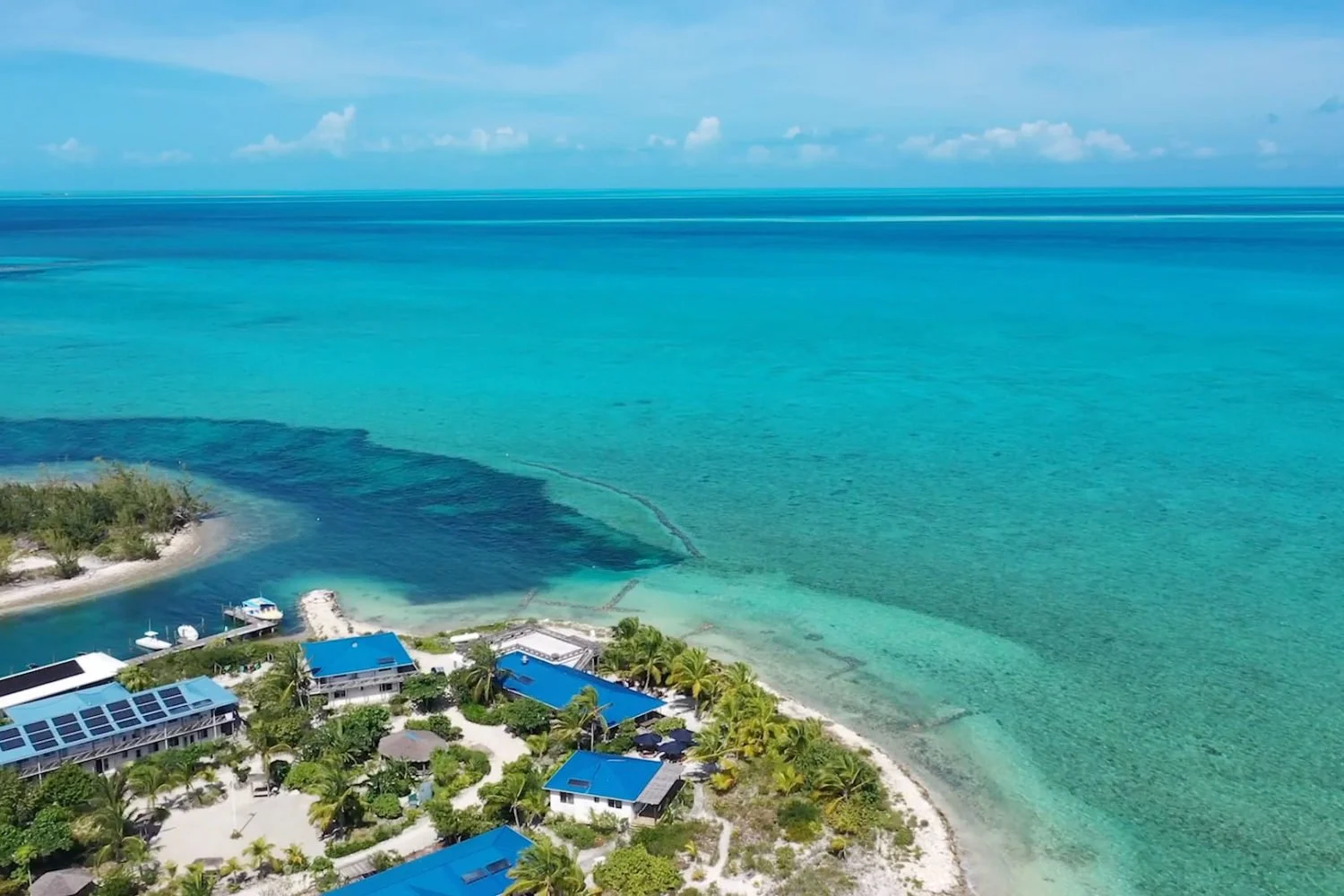
At Cape Eleuthera, a new partnership is bringing science, community, and food security together to rebuild queen conch populations in The Bahamas—creating a model for restoration that can scale across the Caribbean.
This partnership between Florida Atlantic University’s Harbor Branch Oceanographic Institute and the Cape Eleuthera Institute, supported by the Longer Tables Fund, a philanthropic initiative founded by chef and humanitarian José Andrés. This collaboration brings global expertise, local leadership, and catalytic philanthropy into one working system.
Longer Tables Fund
A philanthropic platform founded by Chef José Andrés, investing in bold solutions that strengthen food systems, help communities recover and rebuild after crises, and empower the next generation of food leaders.
Cape Eleuthera Institute (CEI)
A leader in applied environmental research and education, CEI provides the place-based platform—connecting science to students, local communities, and sustainable solutions.
Queen Conch Lab (FAU Harbor Branch)
The world’s leading expertise in queen conch aquaculture. Since 2019, the team has been developing community-based hatchery models across the Caribbean.
The Work on the Ground
The Conservancy combines:
Science – applied aquaculture and monitoring
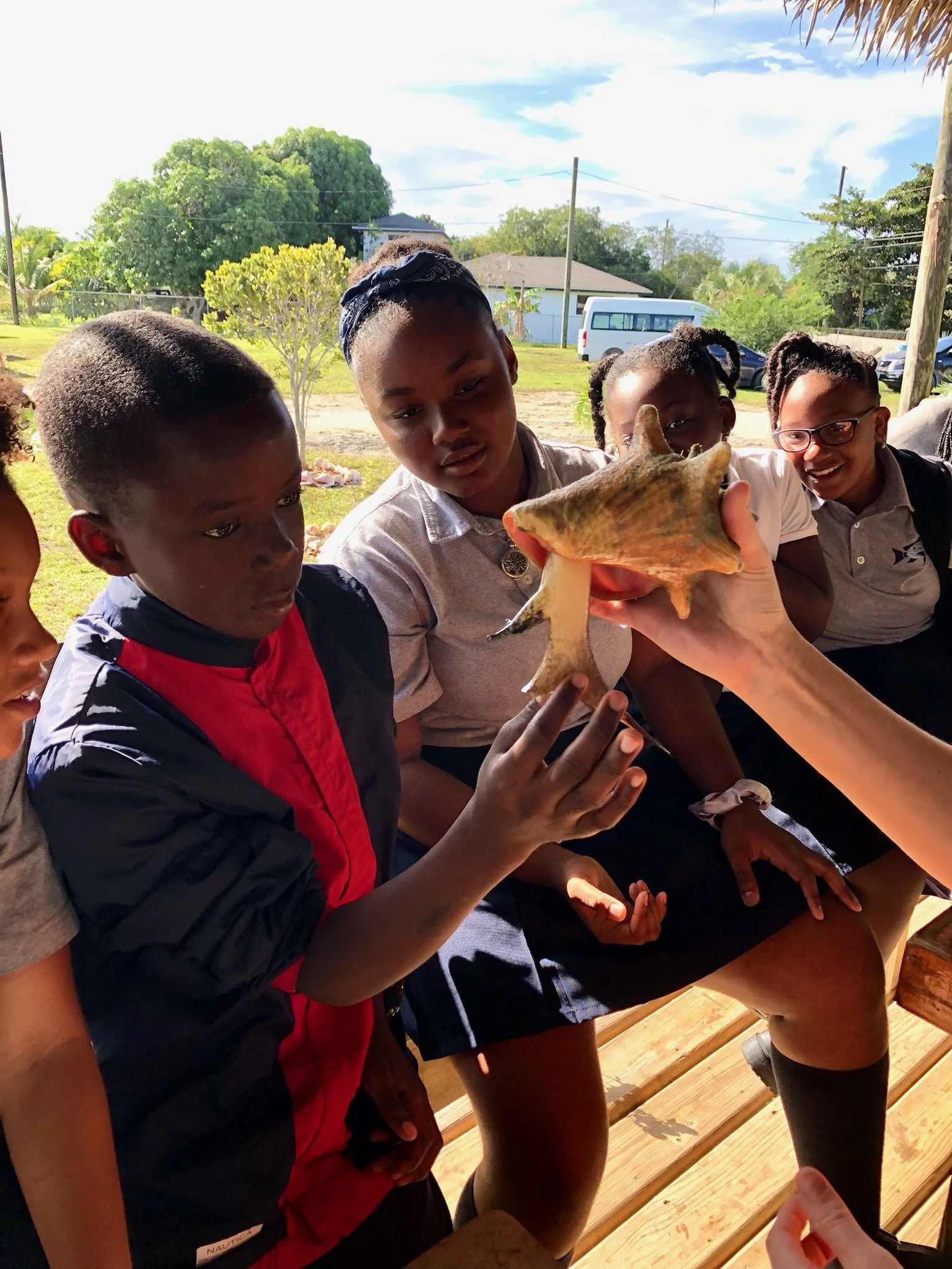
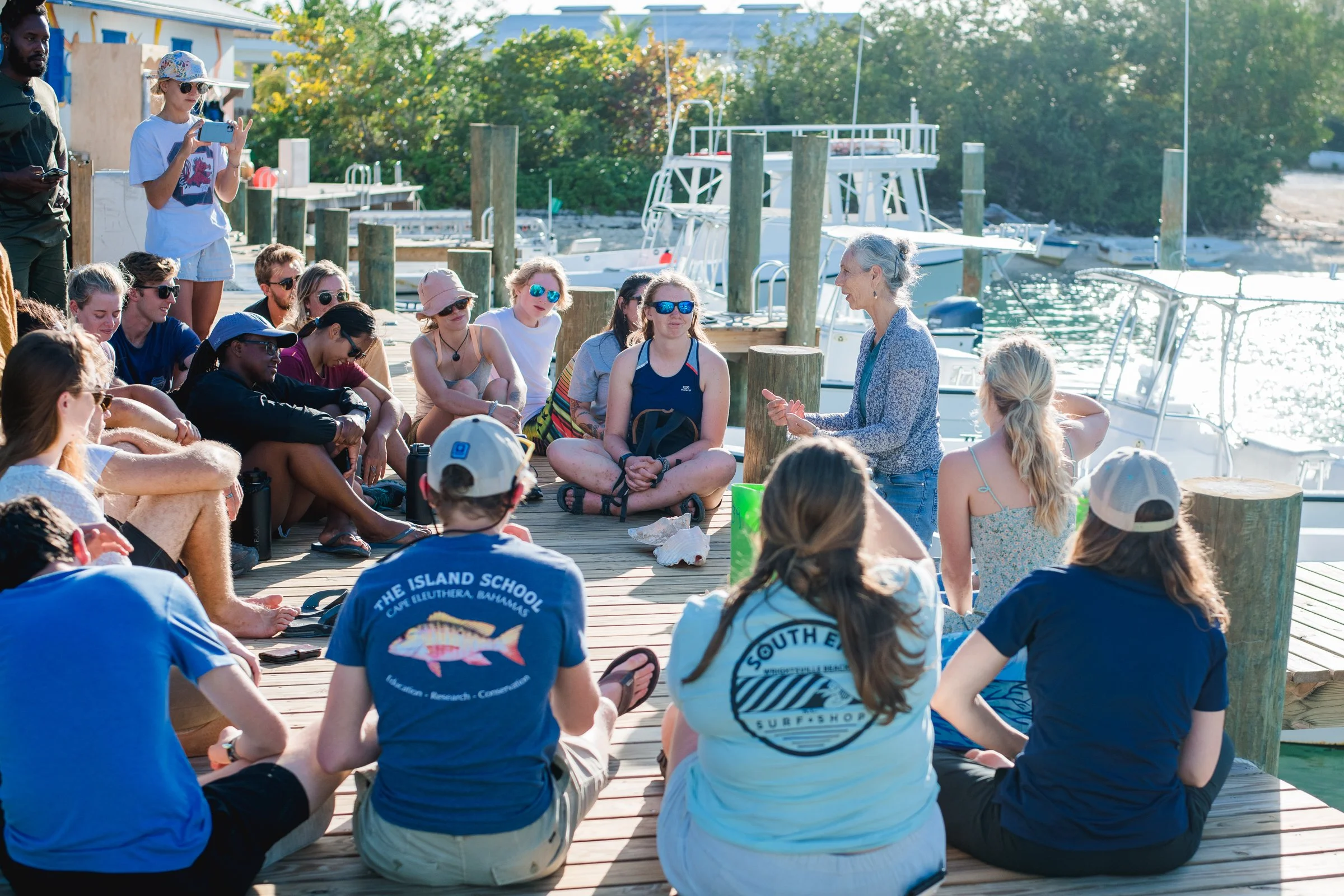
Education – hands-on learning for youth and local schools
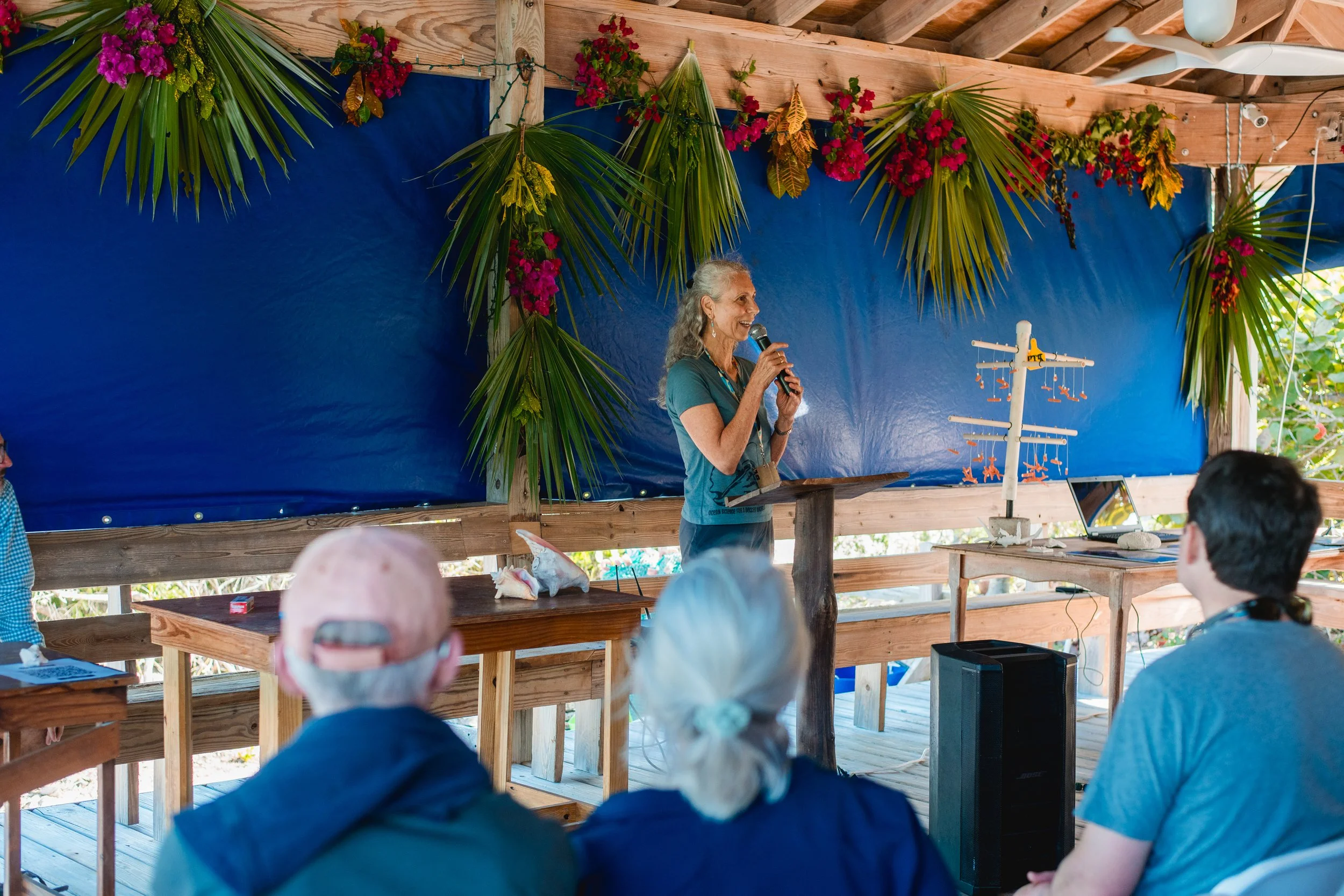
Community engagement – training and participation for fishers and residents
Together, these efforts build local ownership and long-term stewardship, empowering the next generation to protect the ecosystems that sustain their communities.
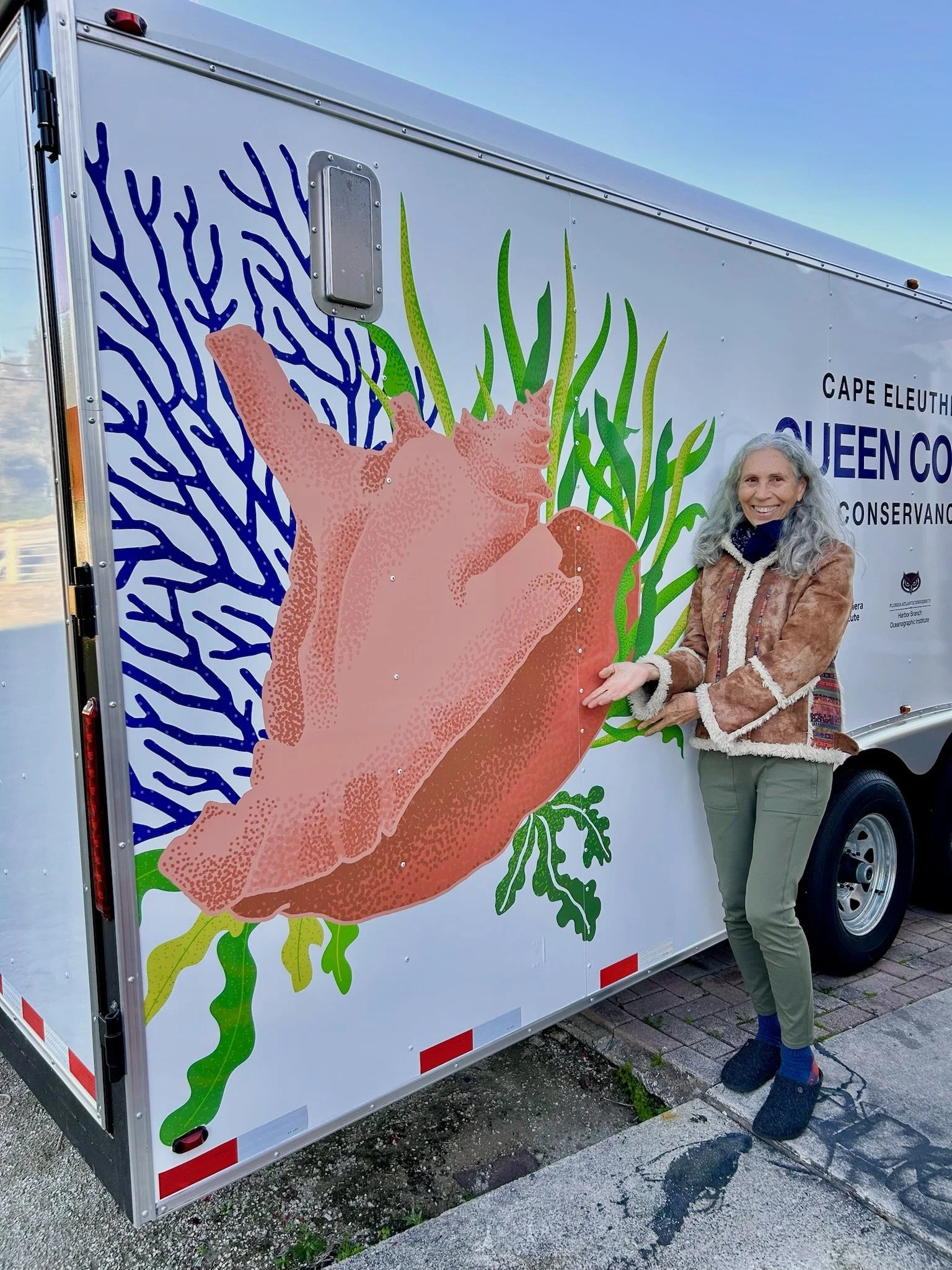
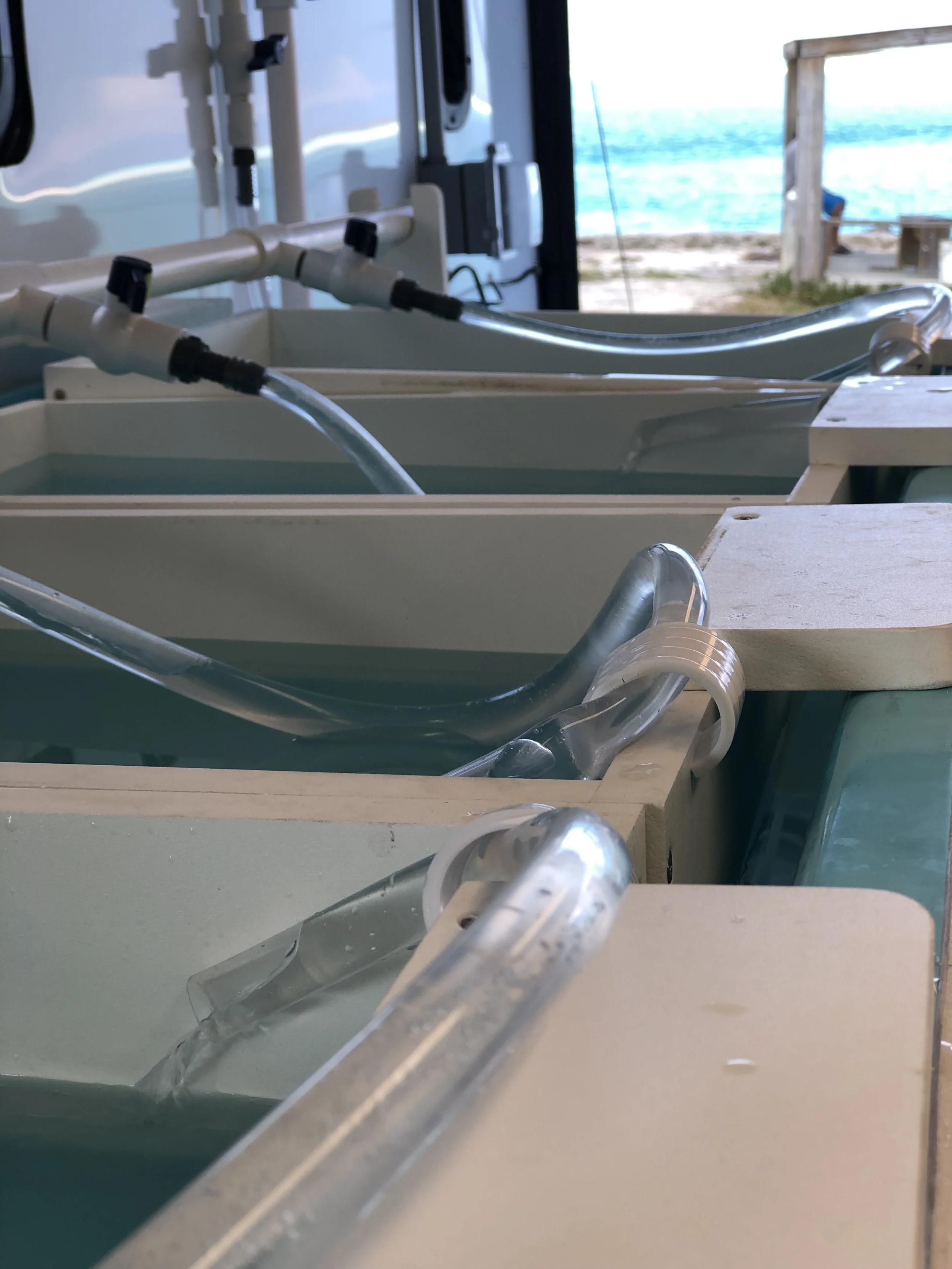
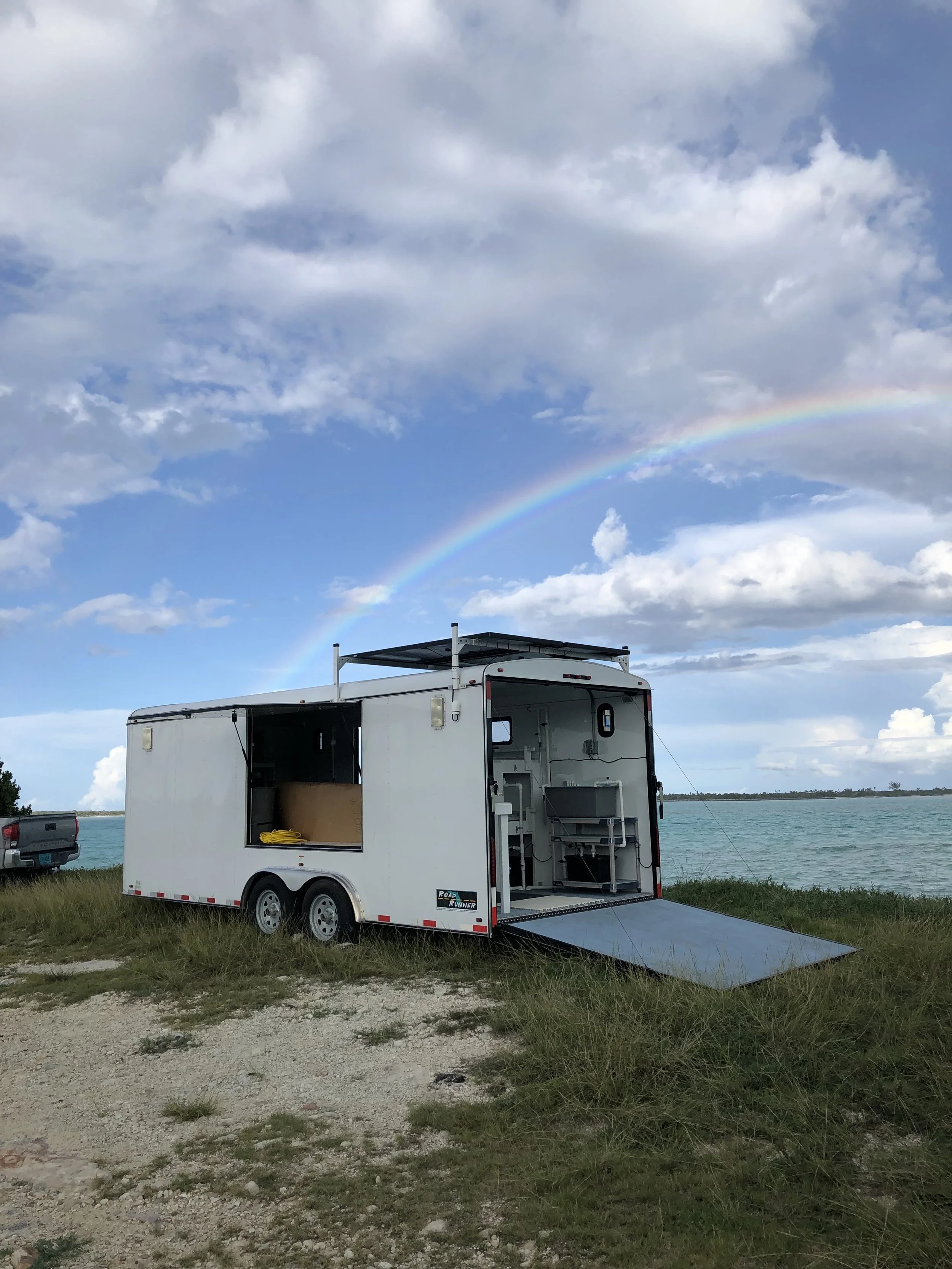
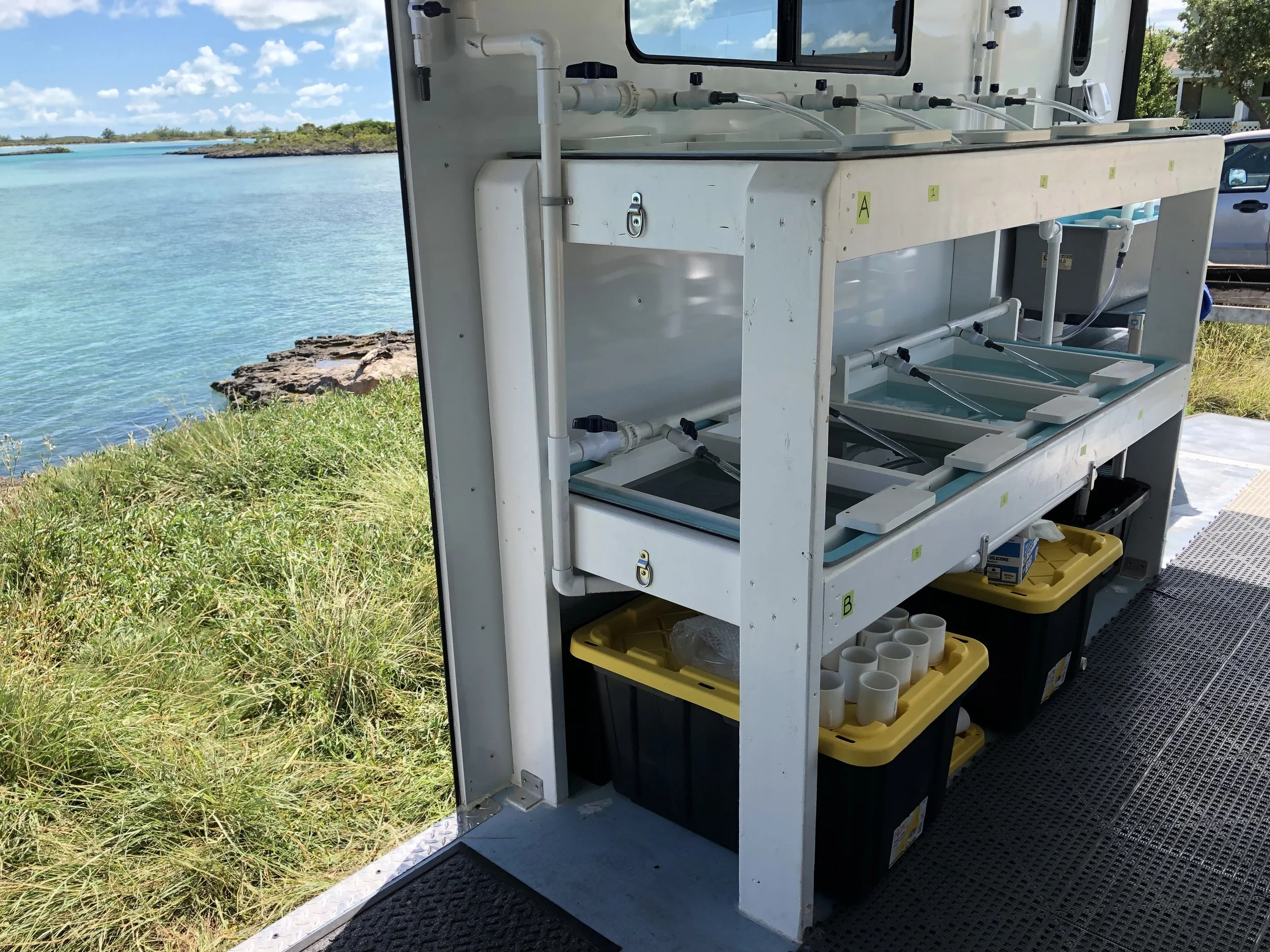
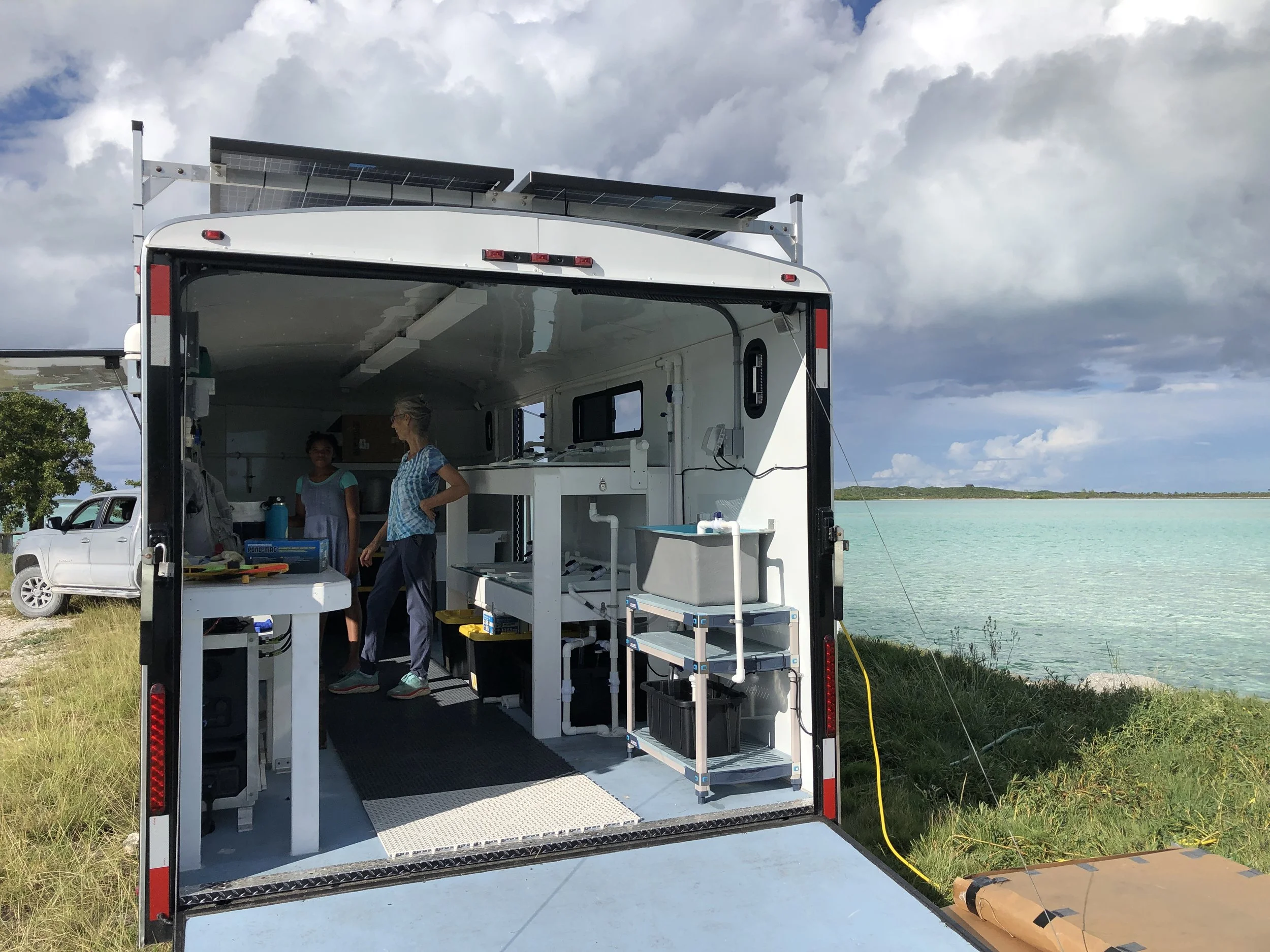
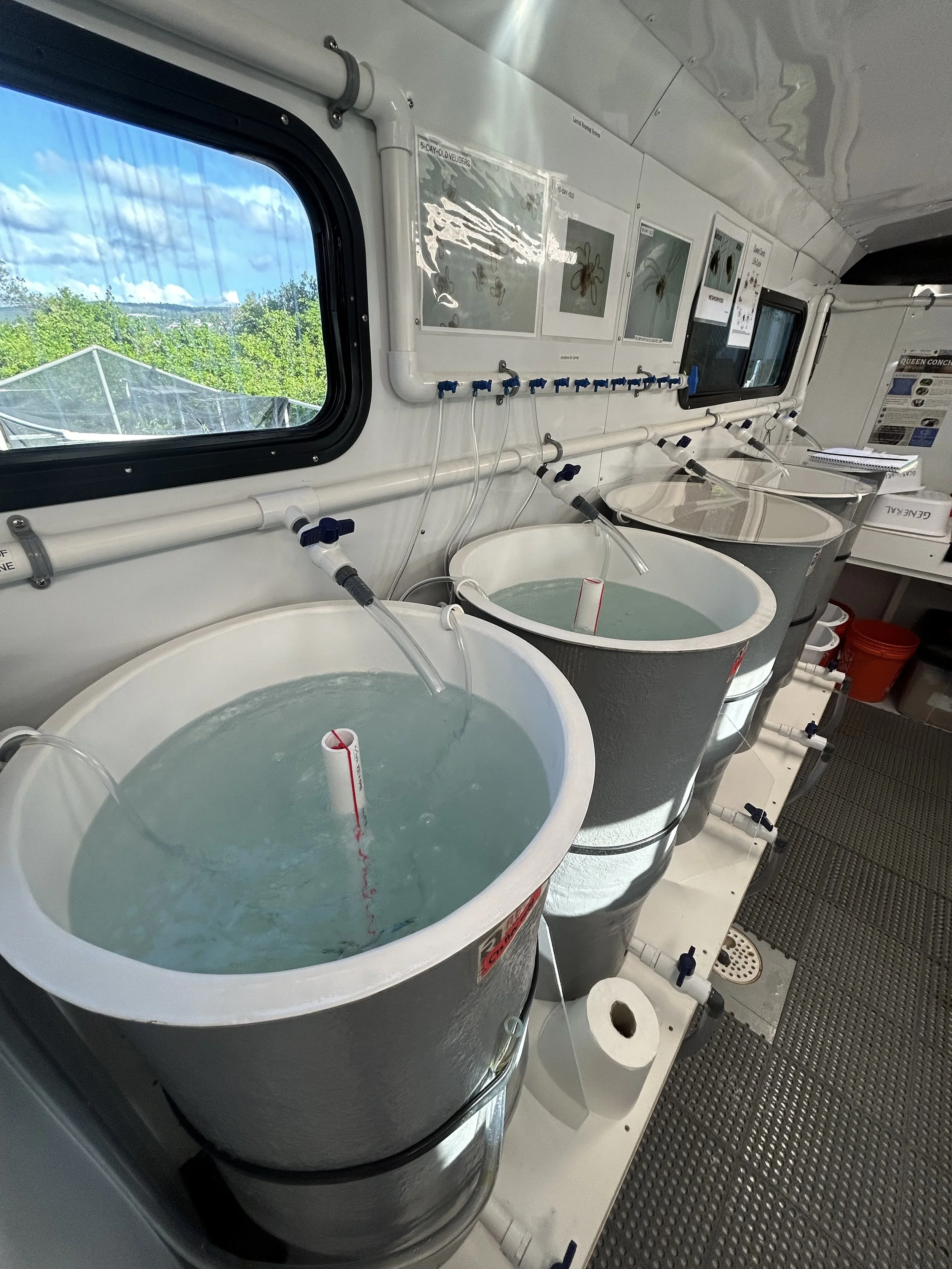
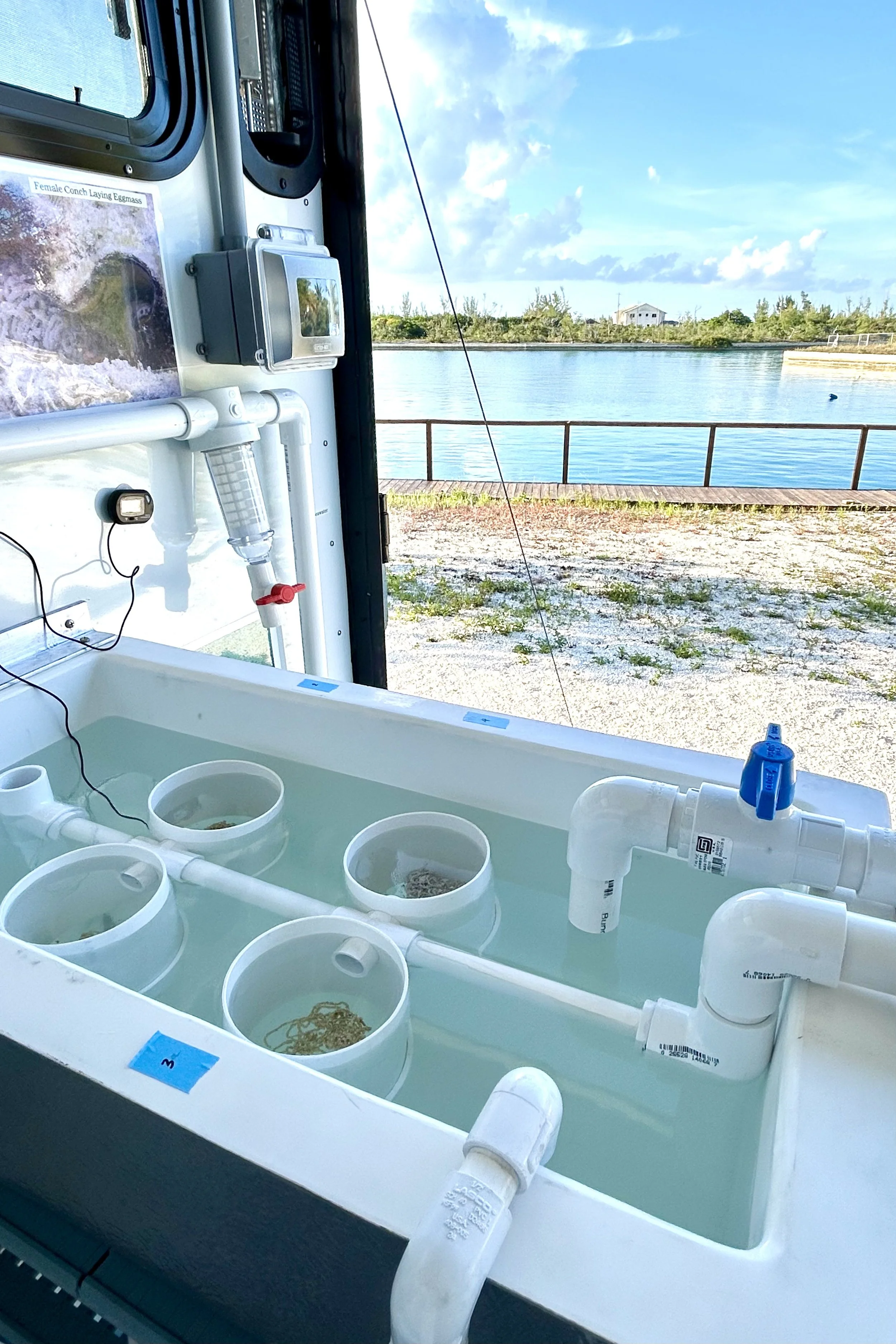
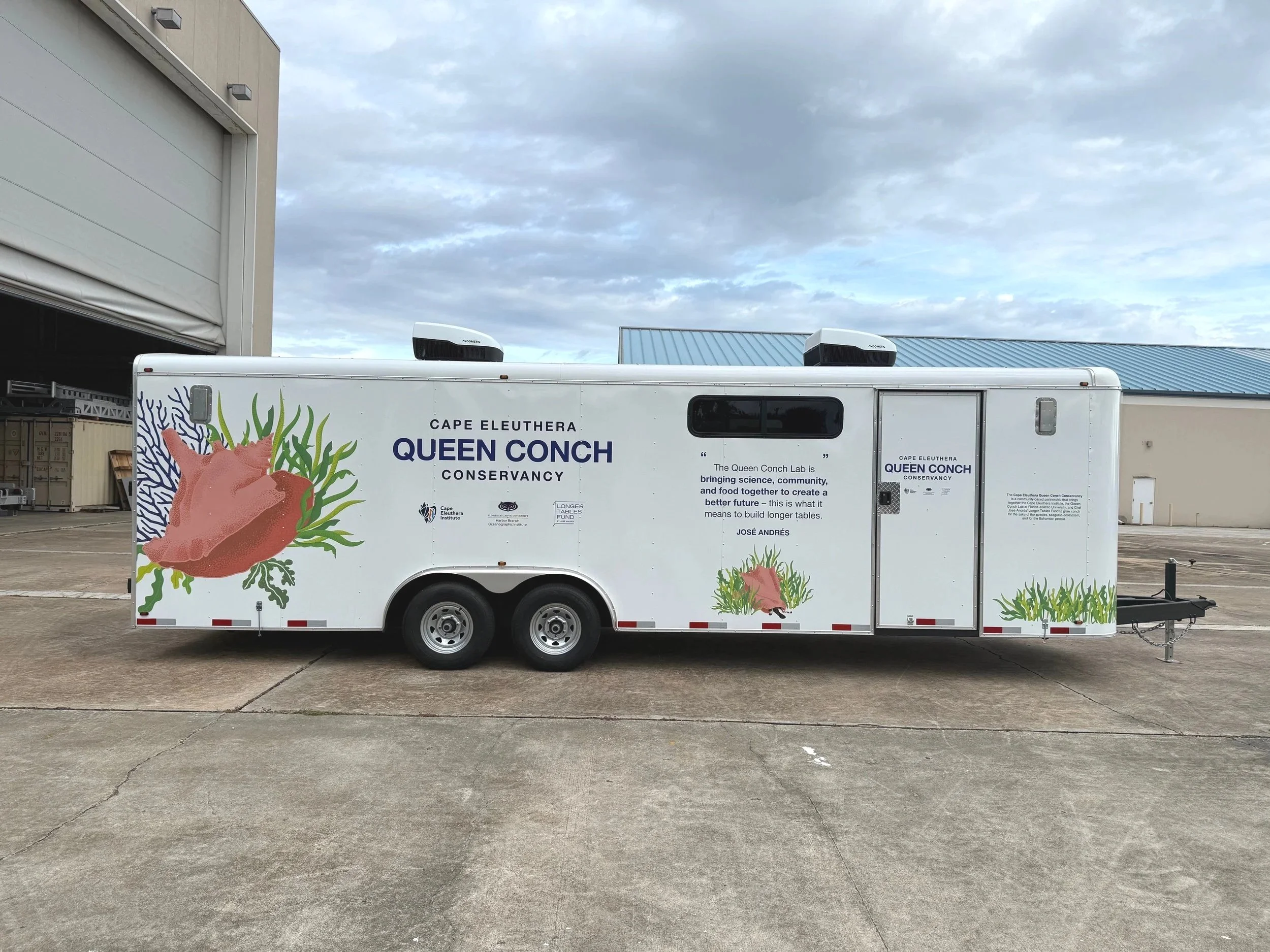
At the heart of the Conservancy is a Mobile Queen Conch Lab—a fully equipped hatchery based at CEI.
What it does:
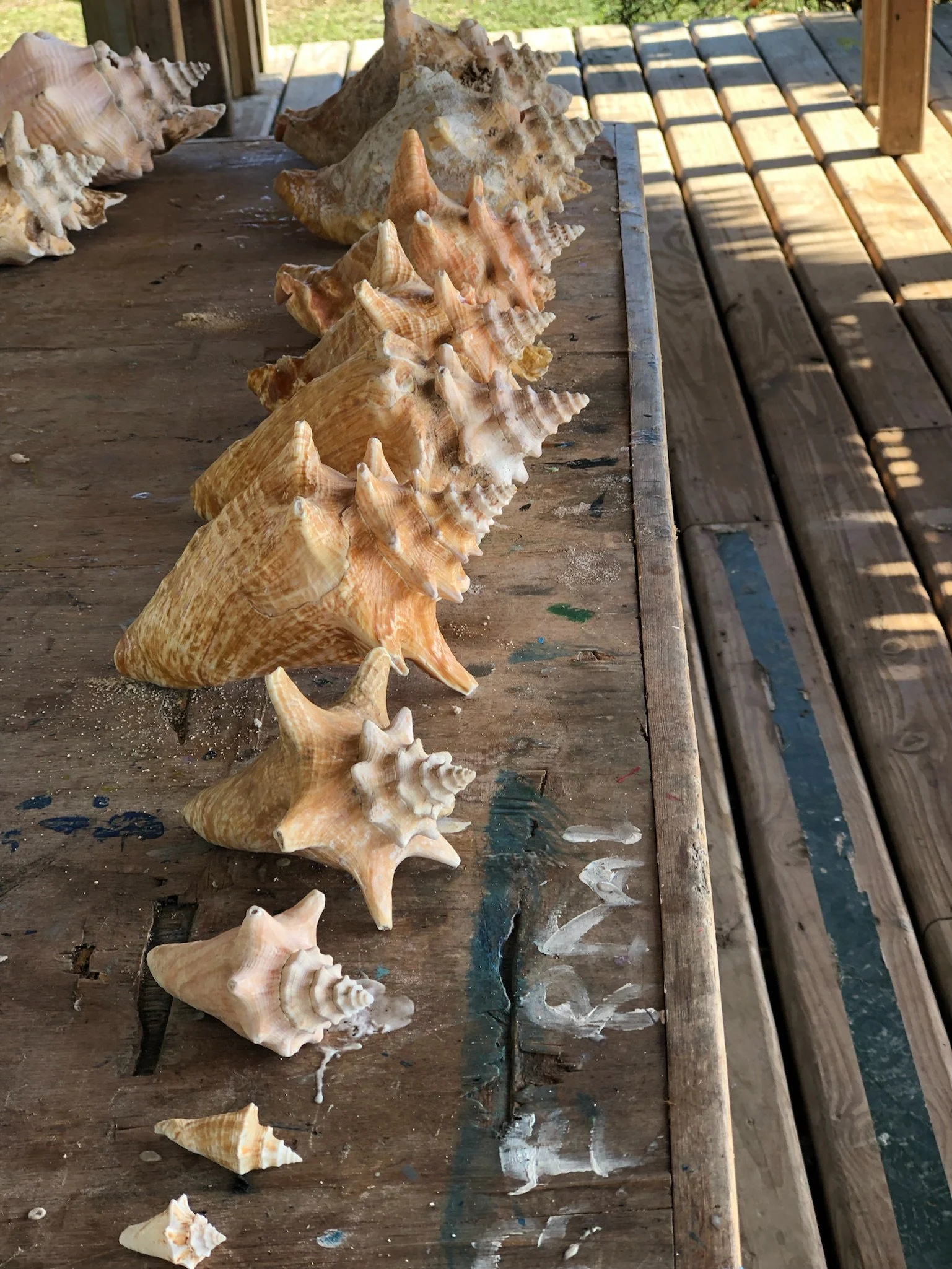
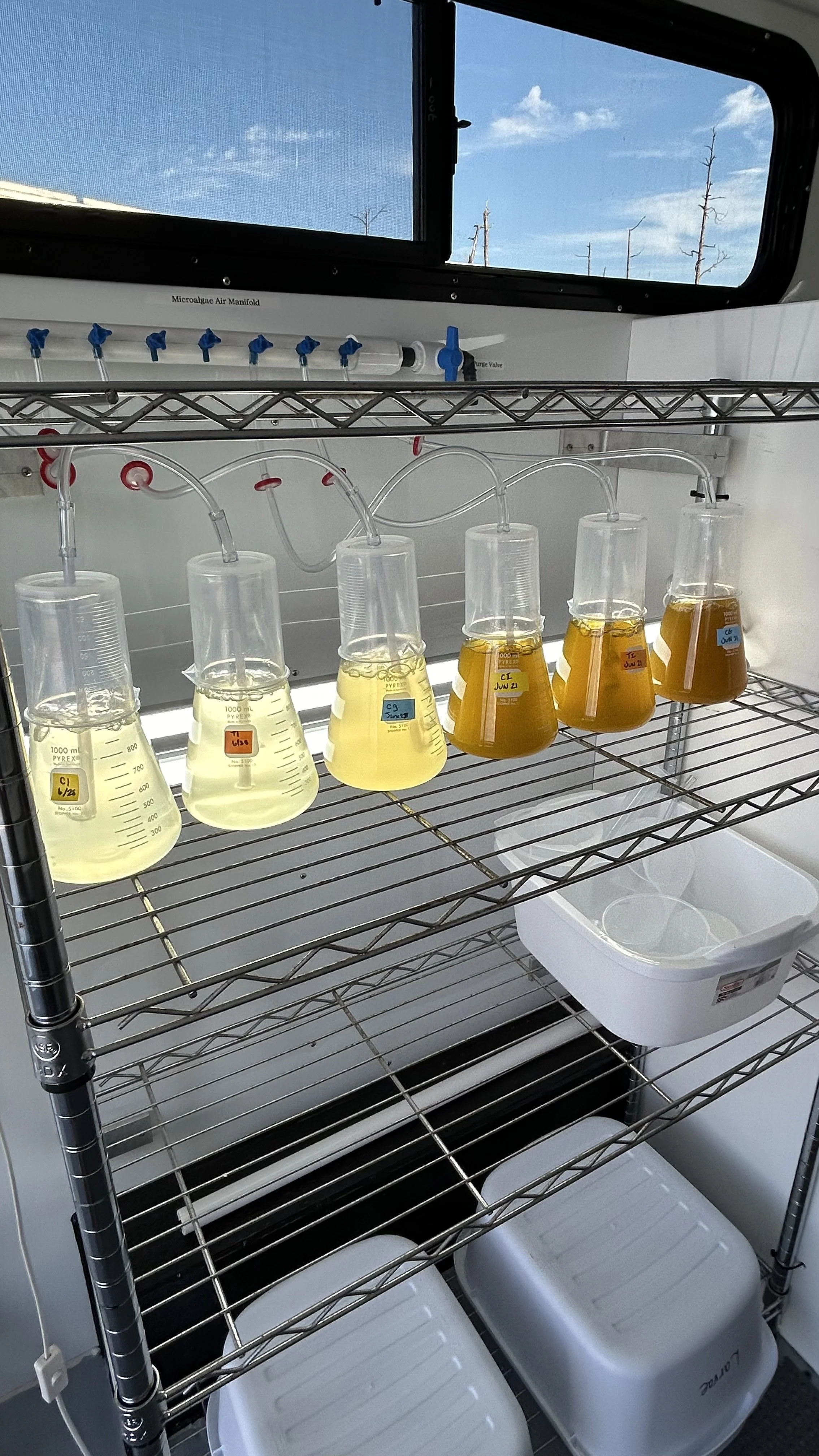
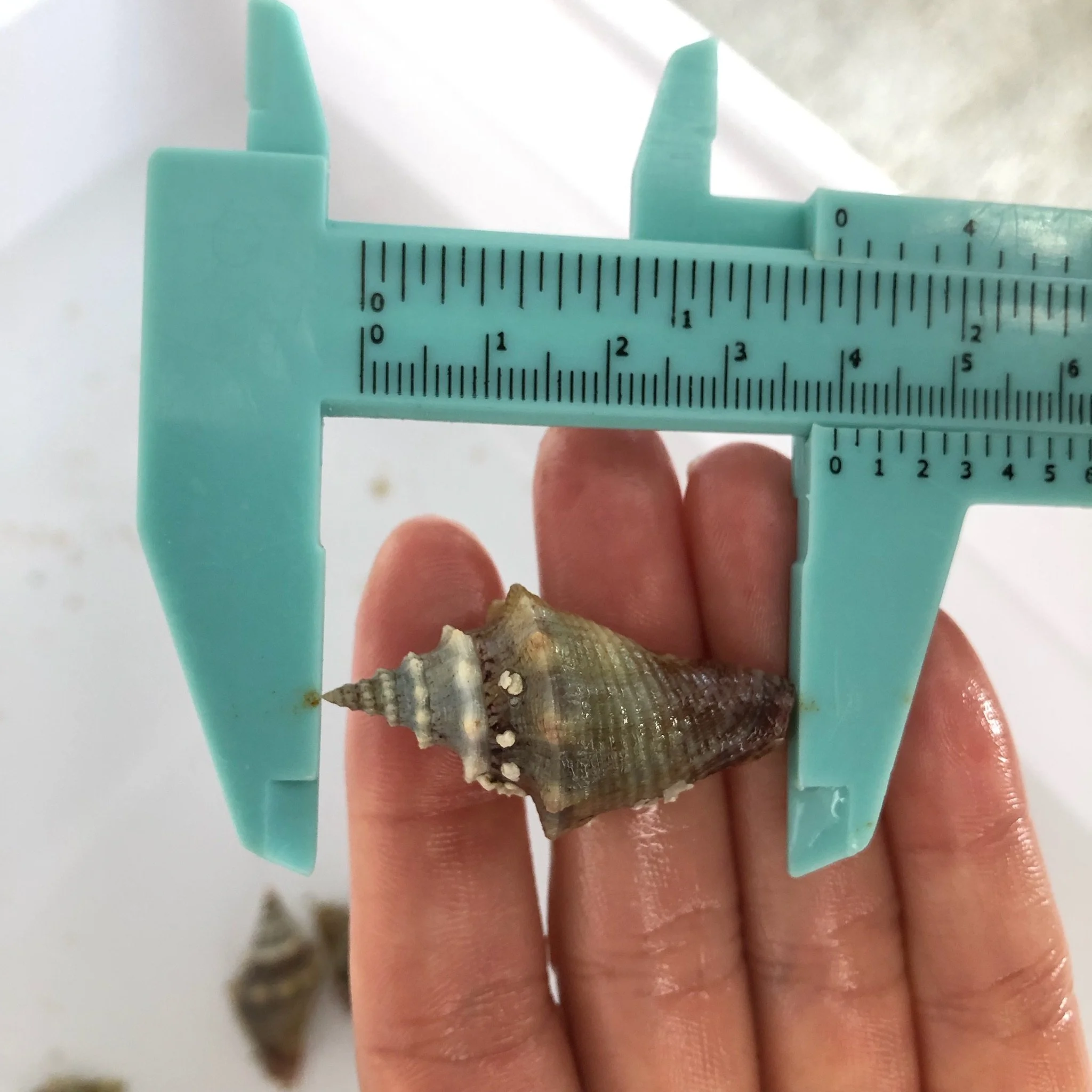
Raises conch from egg mass to early juvenile stage
Produces up to 2,000 juveniles per year for conservation and restoration
Provides hands-on training for local staff
Engages students, fishers, and community members in the process
Why This Matters
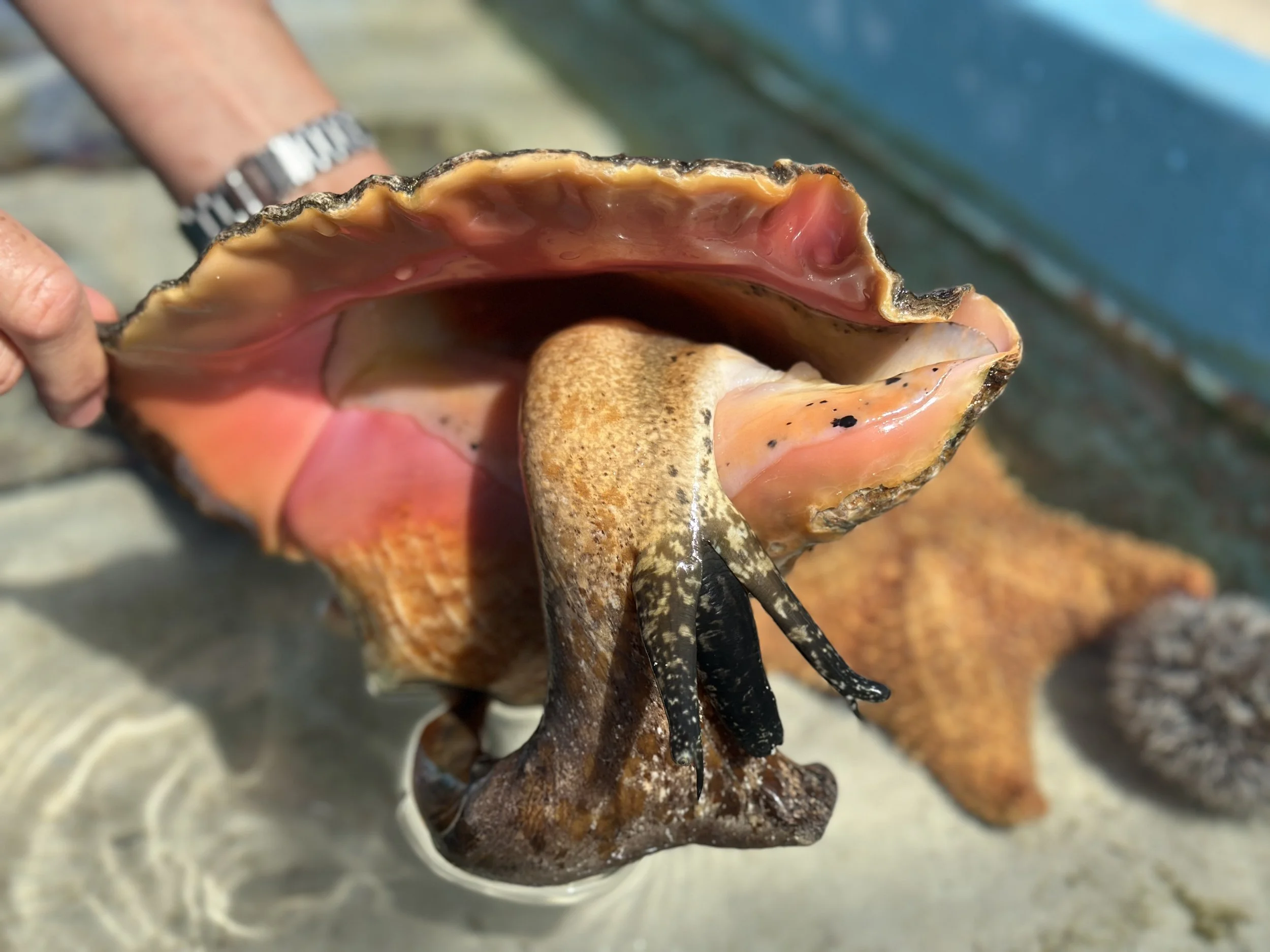
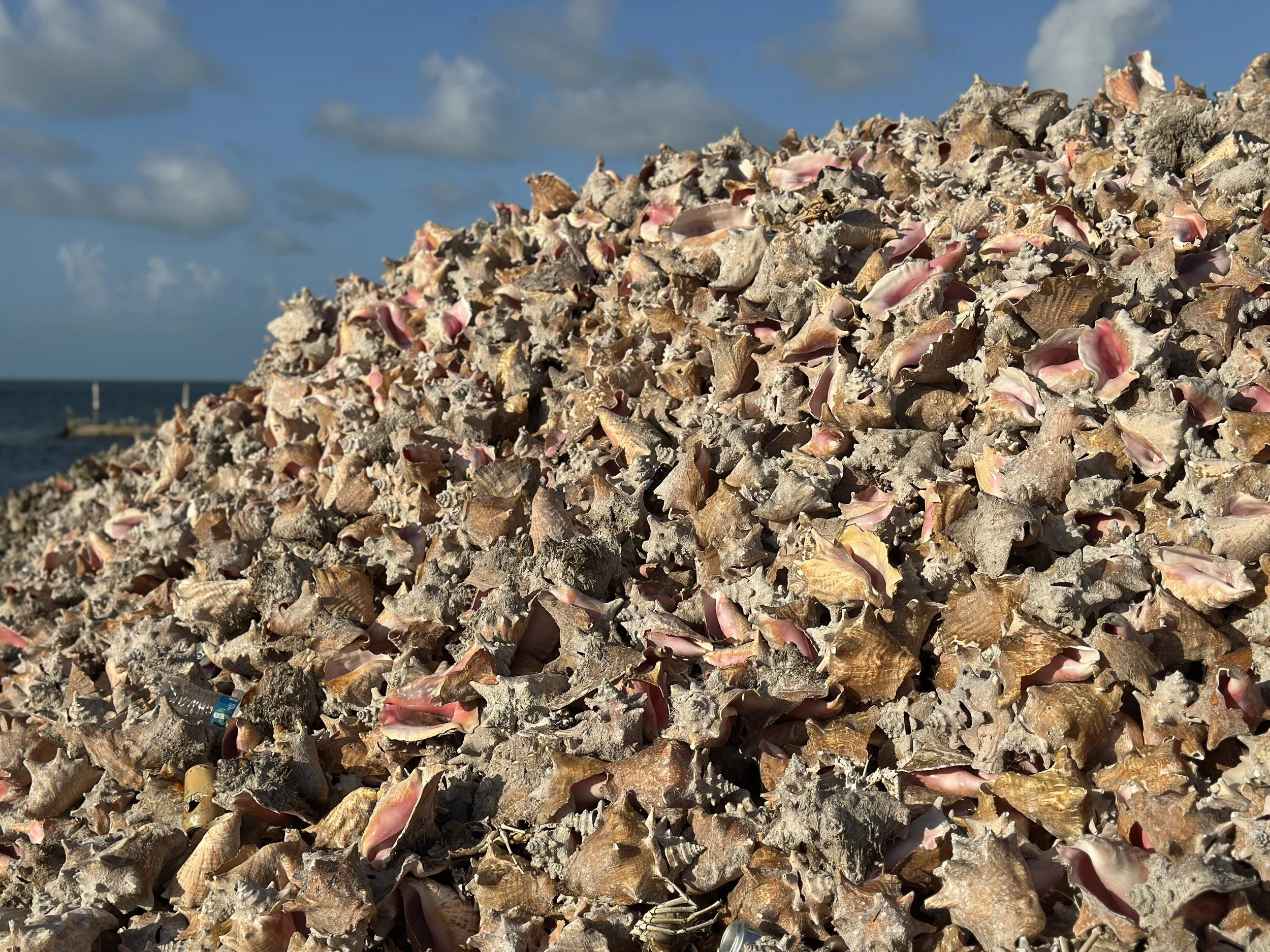
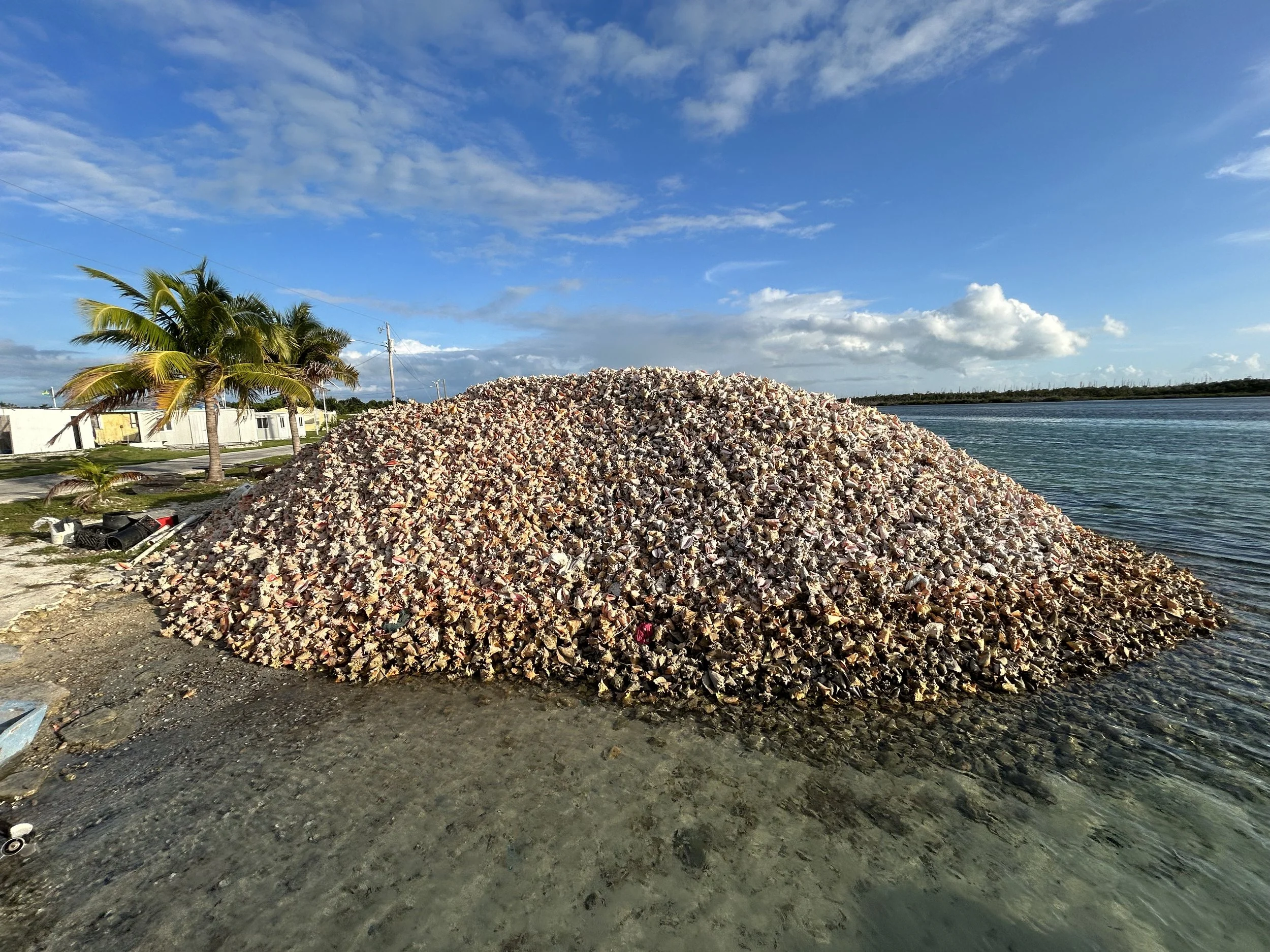
Queen conch are a cultural symbol, a cornerstone of seagrass ecosystems, and a vital source of food and livelihood across island nations. Today, populations are declining due to overfishing and habitat pressure. For The Bahamas, the stakes are ecological, economic, and deeply human. This Conservancy was created in response to a growing urgency for ocean health, food security, and community resilience.
Scroll to see our project in action